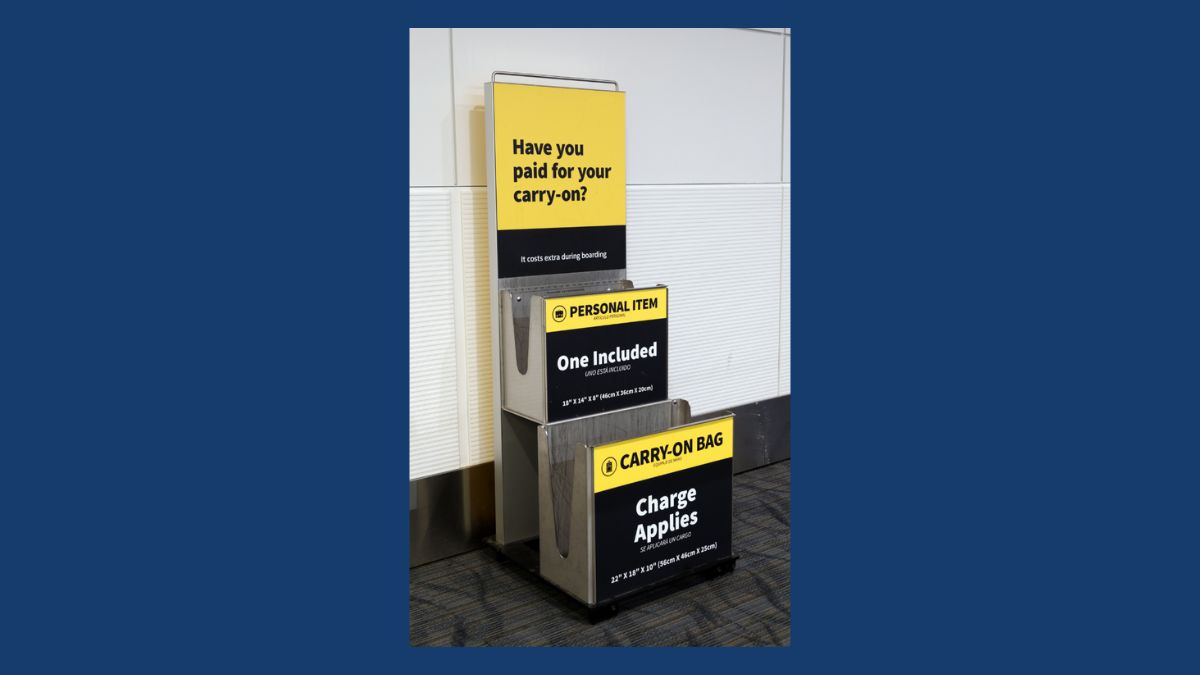
Carry-On Luggage Size Guide: How to Avoid Airline Baggage Fees
Using a carry-on luggage size guide can help prevent one of travel’s most frustrating surprises: arriving at the gate only to discover your bag is too large. An oversized carry-on can delay your trip and lead to unexpected baggage fees.
The good news is that avoiding these problems is easy when you understand how airlines measure carry-on luggage and what to check before you fly.
Why Carry-On Size Matters
Choosing the right size carry-on isn’t just about fitting your belongings. Airlines enforce size limits to ensure bags fit safely in the overhead bins and to keep boarding running smoothly. If your bag is too large, you may be required to check it at the gate, which can result in additional baggage fees and delays.
Even if your suitcase is advertised as “carry-on approved,” it’s still important to verify that it meets the requirements of the airline you’re flying.
What Is the Standard Carry-On Size?
While there is no single worldwide standard, many U.S. airlines allow a carry-on measuring approximately:
- 22 x 14 x 9 inches (56 x 36 x 23 cm)
- Including wheels and handles
Always remember that airlines measure the entire bag—not just the main compartment.
Personal Item vs. Carry-On
Most airlines allow travelers to bring:
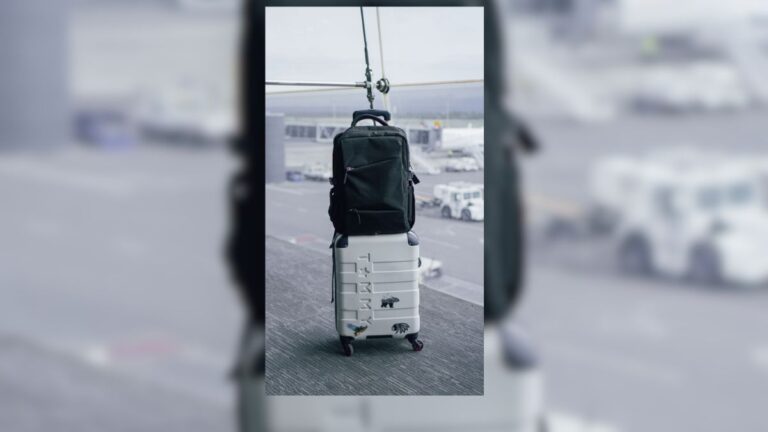
- One carry-on suitcase that fits in the overhead bin.
- One personal item that fits under the seat in front of you.
A personal item can include:
- Backpack
- Purse
- Laptop bag
- Small tote bag
Using both items wisely allows you to maximize what you bring without paying checked baggage fees.
Still unsure which bag qualifies? Read our complete guide to personal items vs. carry-ons.
How to Measure Your Carry-On Correctly
Many travelers are surprised to learn that airlines measure more than just the body of the suitcase. The total dimensions include:
- Wheels
- Handles
- Side feet or protective bumpers
- Exterior pockets that don’t compress
To measure your carry-on:
- Stand the suitcase upright on a flat surface.
- Measure from the floor to the highest point, including the wheels and handle housing.
- Measure the widest part from side to side.
- Measure from the front of the suitcase to the back, including any exterior pockets.
If your bag exceeds your airline’s limits in any dimension, you may be required to check it at the airport.
Why Airline Size Limits Differ
Not every airline uses the same carry-on allowance. Budget airlines often have stricter size limits than major carriers, while many international airlines allow smaller bags than U.S. airlines.
Before every trip, visit your airline’s official baggage page to verify:
- Maximum carry-on dimensions
- Weight restrictions (if applicable)
- Personal item size limits
- Any special baggage rules
A quick check before packing can help you avoid surprises at the airport.
Pro Tip
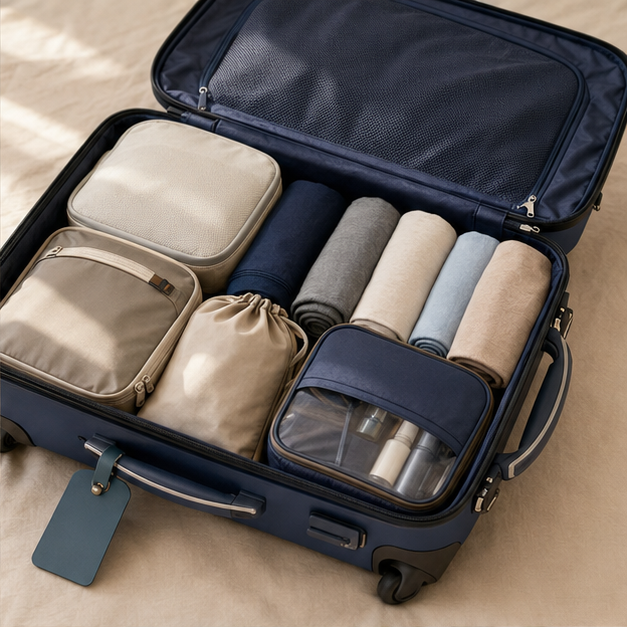
Even if your suitcase technically meets the maximum allowed dimensions, avoid overstuffing it. An overpacked bag may not fit easily into the overhead bin or an airline’s baggage sizer, especially if the exterior pockets are bulging.
What Happens If Your Cmoney.
What Happens If Your Carry-On Is Too Large?
If your carry-on exceeds your airline’s size limit, you may be asked to check it before boarding. Depending on the airline and your ticket type, this could result in:
- Additional baggage fees
- Delays during boarding
- Waiting at baggage claim after your flight
- Less room for fragile or valuable items you planned to keep with you
Checking your bag’s dimensions before you leave home can save both time and money.
Check Your Airline’s Carry-On Rules
Before every trip, confirm your airline’s latest baggage policy. Rules can change, and some airlines have different allowances depending on your fare class or destination.
Helpful official resources include:
| Airline | Typical Carry-On Size | Personal Item |
|---|---|---|
| American Airlines | 22 × 14 × 9 in | ✓ |
| Delta Air Lines | 22 × 14 × 9 in | ✓ |
| United Airlines | 22 × 14 × 9 in | ✓ |
| Southwest Airlines | 24 × 16 × 10 in | ✓ |
| Alaska Airlines | 22 × 14 × 9 in | ✓ |
| JetBlue | 22 × 14 × 9 in | ✓ |
| Frontier Airlines | Varies by fare | ✓ |
Note: Airline baggage policies can change. Always verify the latest carry-on size and baggage rules on your airline’s official website before traveling.
Quick Carry-On Checklist Before You Fly
Before heading to the airport, make sure you:
☐ Measured your suitcase, including wheels and handles
☐ Confirmed your airline’s carry-on size limit
☐ Verified your personal item fits under the seat
☐ Packed liquids according to TSA’s 3-1-1 rule
☐ Weighed your bag if your airline has weight limits
☐ Left a little extra room so your bag isn’t overstuffed
Use This Carry-On Luggage Size Guide Before You Fly
Keep this carry-on luggage size guide handy whenever you prepare for a trip. By choosing the right suitcase, measuring it correctly, and reviewing your airline’s baggage policy, you can avoid unnecessary fees and arrive ready to board with confidence.
Safe travels!


2 Comments
Comments are closed.