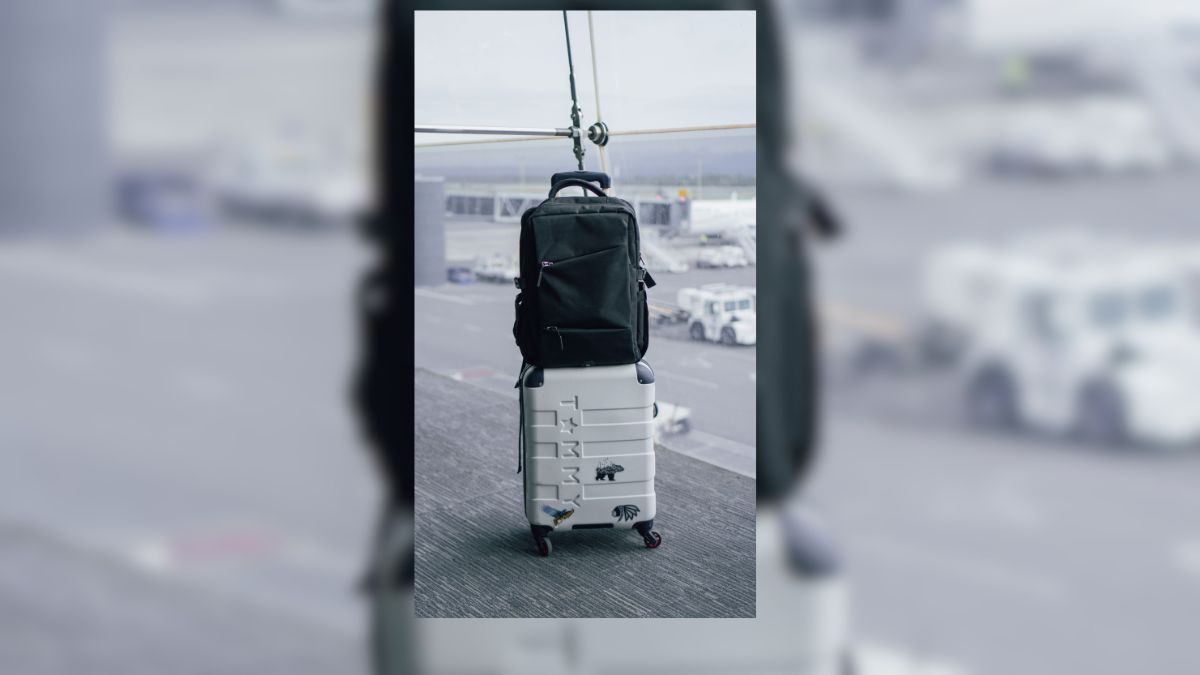
Personal Item vs. Carry-On: What’s the Difference and What Can You Bring?
Understanding personal item vs. carry-on rules can save you money, prevent confusion at the gate, and make boarding much easier.
Although both bags travel with you inside the airplane cabin, they are not treated the same. They have different size limits, storage locations, and—in some cases—fees.
Before packing for your next flight, here is what you need to know about personal items, carry-on bags, and how to choose the right combination for your trip.
Personal Item vs. Carry-On: The Quick Answer
A personal item is a smaller bag that must fit underneath the seat in front of you. Common examples include a purse, laptop bag, tote, briefcase, or small backpack.
A carry-on is usually a larger suitcase, duffel bag, or backpack stored in the overhead bin.
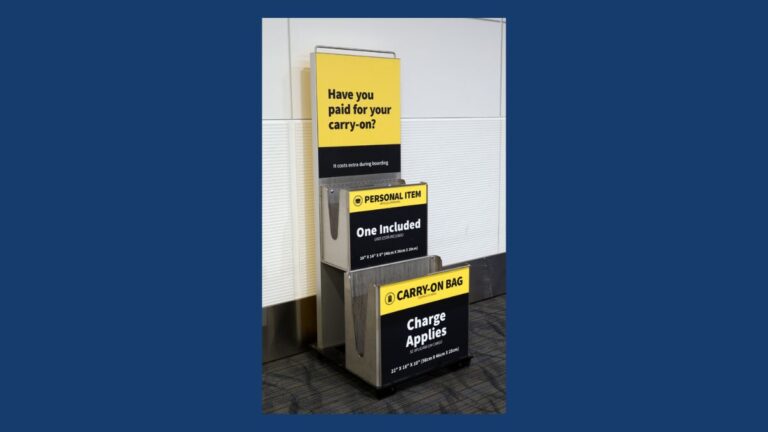
Many airline tickets include both a personal item and a carry-on, but that is not always the case. Some airlines and fare classes charge separately for a carry-on while still allowing one personal item at no additional cost.
| Feature | Personal Item | Carry-On Bag |
| Typical location | Under the seat | Overhead bin |
| Common examples | Pures, tote, laptop bag, small backpack | Wheeled suitcase, duffel, larger backpack |
| Typical size | Around 18 x 14 x 8 inches | Around 22 x 14 x 9 inches |
| Included with ticket | Usually | Depends on airline and fare |
| Best for | Essentials and valuables | Clothing, shoes, and larger items |
These are common measurements, not universal rules. Always verify the current baggage policy for your airline and fare before traveling.
What Counts as a Personal Item?
A personal item is any small bag that fits completely underneath the seat in front of you.
- A purse or handbag
- A small backpack
- A laptop or computer bag
- A briefcase
- A small tote
- A camera bag
- A belt bag or fanny pack
- A compact diaper bag
The type of bag is less important than its packed size. A backpack may qualify as a personal item when lightly packed, but the same backpack could be treated as a carry-on if it is too large to fit under the seat.
Soft-sided bags can be convenient because they compress more easily. However, overpacking a soft bag may cause it to exceed the allowed dimensions.
What Counts as a Carry-On Bag?
A carry-on is the larger piece of luggage you bring into the airplane cabin. It is normally stored in the overhead bin.
- Small wheeled suitcases
- Spinner luggage
- Duffel bags
- Travel backpacks
- Garment bags
- Weekender bags
A common carry-on limit among major U.S. airlines is 22 × 14 × 9 inches, including the wheels and handles. Some airlines allow larger dimensions, while others impose weight restrictions in addition to size limits.
For a closer look at luggage construction, wheels, durability, and organization, read How to Choose the Right Carry-On Luggage: 9 Features That Really Matter.
Personal Item and Carry-On Sizes Are Not Universal
There is no single personal-item measurement followed by every airline.
For example, American Airlines currently lists a maximum personal-item size of 18 × 14 × 8 inches. Frontier also allows a personal item up to 18 × 14 × 8 inches, but its carry-on allowance and fee structure differ from those of many traditional airlines.
Some carriers do not publish exact personal-item dimensions and instead state that the bag must fit under the seat.
Even when two airlines publish the same measurements, the space beneath the seat can vary by aircraft and seat location. Bulkhead seats, exit rows, and equipment boxes may reduce or eliminate underseat storage.
Before every trip, check:
- Your airline’s current baggage policy
- The fare or ticket type you purchased
- Whether your route has different rules
- The exterior dimensions of your packed bag
- Whether wheels, handles, and straps are included in the measurement
For major-airline carry-on limits and measuring advice, visit our Carry-On Luggage Size Guide: How to Avoid Airline Baggage Fees.
Does a Backpack Count as a Personal Item?
A backpack can count as either a personal item or a carry-on.
A compact backpack that fits underneath the seat will usually qualify as a personal item. A larger travel backpack designed to hold several days of clothing may be treated as your carry-on instead.
Do not rely solely on the manufacturer’s description. A bag advertised as a “personal-item backpack” is not automatically accepted by every airline.
Measure it after packing, including:
- Bulging front pockets
- Side water-bottle pockets
- Padded handles
- Wheels, if included
- Straps that cannot be tucked away
Leave a little room instead of packing the bag until it is completely rigid. A flexible bag is easier to place in an airport baggage sizer and underneath the seat.
Do a Purse, Crossbody Bag, or Fanny Pack Count?
A purse, crossbody bag, belt bag, or fanny pack may count as your personal item.
Travelers sometimes assume a small bag worn on the body does not count toward the baggage allowance. Airline employees may instead require you to place it inside your personal item or carry-on before boarding.
If you plan to bring a tote or backpack along with a crossbody bag, leave enough room to consolidate the smaller bag when necessary.
Items such as coats, mobility devices, and certain medical or infant-related supplies may be exempt, but the exact exceptions vary. Review your airline’s policy rather than assuming an additional item will be permitted.
Where Does Each Bag Go on the Plane?
Your personal item belongs underneath the seat in front of you. Your carry-on normally belongs in an overhead bin.
Keeping these storage locations in mind can help you pack more efficiently.
Place items you may need during the flight in your personal item, such as:
- Identification and travel documents
- Wallet and keys
- Prescription Medication
- Phone and charging cable
- Headphones
- Reading material
- Snacks
- Travel-siz toiletries
- A light sweater
- Valuables and fragile electronics
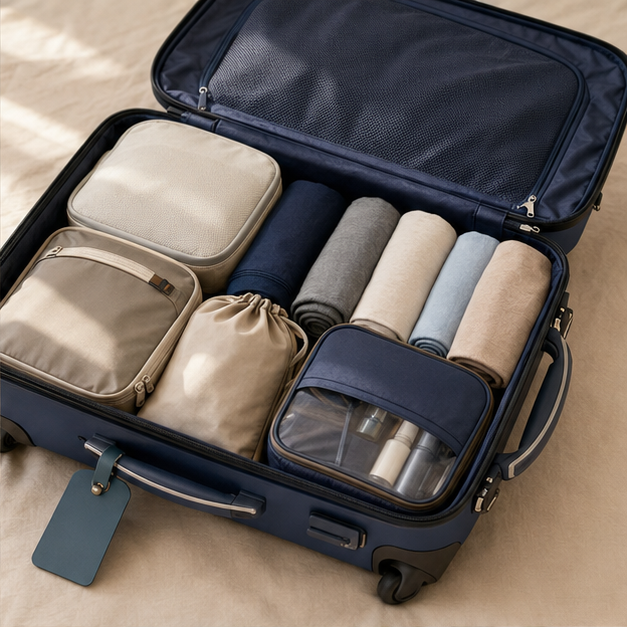
Pack clothing, extra shoes, and items you will not need during the flight in your carry-on.
Never place essential medication, important documents, valuables, or irreplaceable items in a bag that could be gate-checked.
What Basic Economy Passengers Need to Know
The words “Basic Economy” do not mean exactly the same thing on every airline.
Some Basic Economy tickets include both a carry-on and a personal item. Others may include only a personal item or may charge separately for the carry-on, depending on the airline, route, fare, or benefits attached to the reservation.
Do not assume that a carry-on is included simply because the bag will remain inside the cabin.
Before booking—or immediately afterward—check the baggage allowance shown in your reservation. Compare the total price of the fare after adding any necessary bags. A slightly more expensive ticket may sometimes provide better overall value once baggage charges are included.
How to Avoid an Unexpected Bag Fee
A few simple precautions can prevent a costly surprise at the airport.
1. Read the Policy for Your Exact Ticket
General airline policies are helpful, but your reservation is what matters. Check the fare type, route, and any baggage benefits attached to your account or credit card.
2. Measure the Packed Bag
Measure the bag at its widest and deepest points after packing. Include wheels, handles, straps, and filled exterior pockets.
3. Avoid Overpacking
A soft-sided bag may meet the limit while empty but become oversized when stuffed. Leave enough flexibility for the bag to slide easily into a baggage sizer.
4. Keep Smaller Bags Together
Be prepared to place a purse, crossbody bag, shopping bag, or belt bag inside one of your two permitted pieces.
5. Pay for Baggage Before Arriving at the Airport
When a carry-on fee applies, purchasing it online in advance may cost less than paying at the airport or boarding gate.
6. Recheck the Rules Before Departure
Airline policies and fees can change. Review them again shortly before your flight, especially if you booked the trip several months earlier.
Personal Item and Carry-On Packing Checklist
Before leaving for the airport, confirm that:
- Your personal item fits under the seat.
- Your carry-on fits your airline’s size limit.
- Wheels and handles were included in your measurements.
- Your ticket includes both bags.
- Smaller purses and crossbody bags can be consolidated.
- Medication, identification, and valuables are in your personal item.
- Liquids and restricted items follow current security rules.
- You checked the airline’s official policy for your flight.
Final Thoughts
The main difference between a personal item and a carry-on is where the bag is stored. A personal item goes underneath the seat, while a carry-on usually goes in the overhead bin.
The more important difference may be what your ticket includes. A bag that is free on one airline or fare could result in an additional charge on another.
Measure both bags after packing, confirm the allowance attached to your reservation, and keep your in-flight essentials within easy reach. A few minutes of preparation can help you avoid unnecessary fees and start your trip with less stress.
Safe travels!